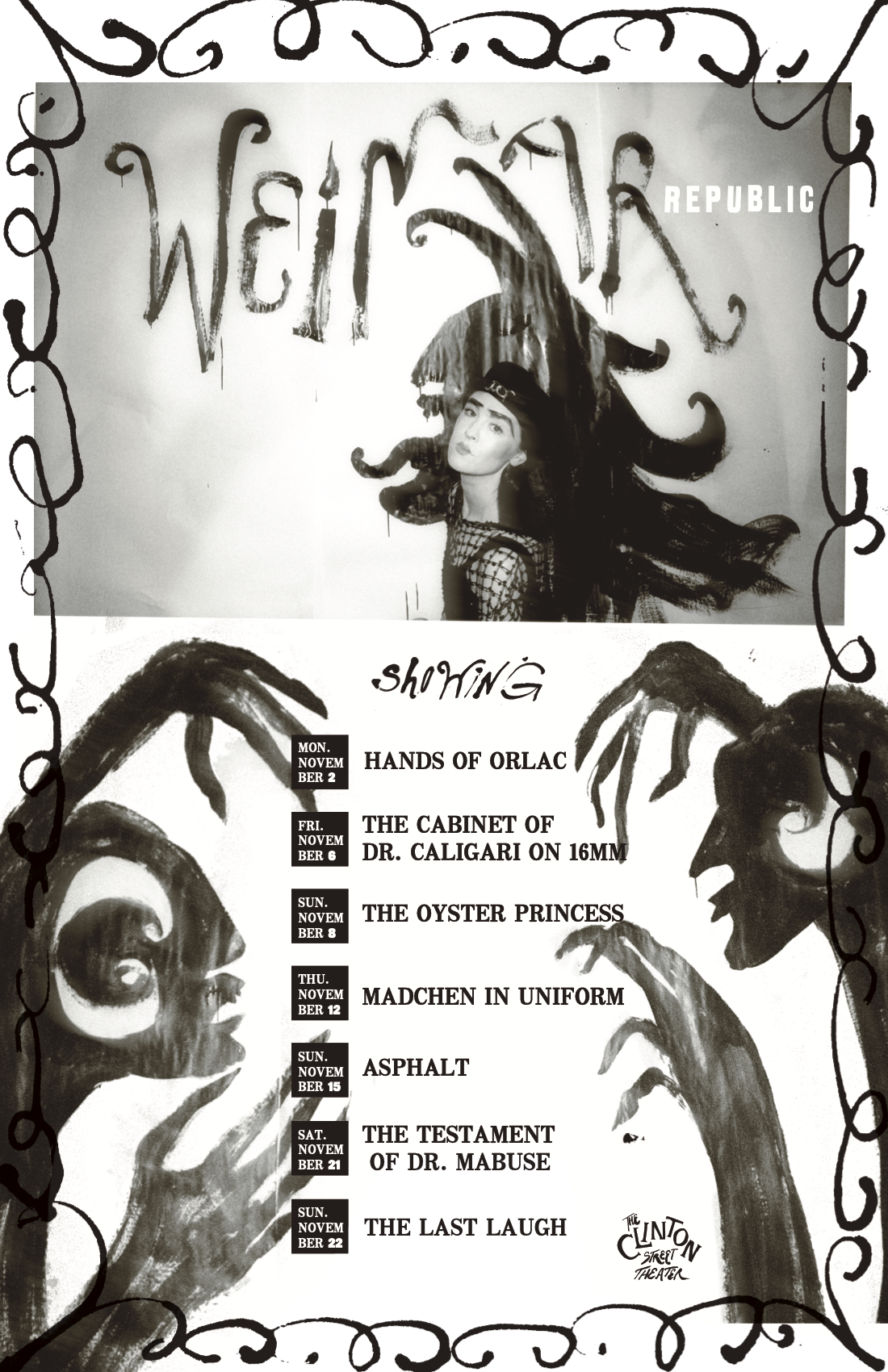
In the years between World War I and the rise of Nazism (1918-1933), Berlin became THE vibrant center of queer culture, artistic experimentation, and changing ideas about gender, sexuality, and identity. The cinema of the Weimar era blossomed in that spirit, sometimes playfully, often incendiary, and sometimes through darker stories of anxiety, repression, and violence.
This extra-special series brings together seven films that reflect the strange and exhilarating possibilities of the period, from madcap comedy to Expressionist nightmares, each offering glimpses into a society gingerly negotiating modern life through radical experimentation steeped in post-war psychological trauma.
Set between a haunted past and an uncertain future, these films were born from a world that was both liberating and extremely fragile. They remind us of how long people have been challenging the imagined boundaries of gender and sexuality, through seemingly endless cycles of repression—and how the freaks, gays, immigrants, and weirdos always seem to make the greatest art; determined still, to party.
Wiemar Germany: Queer Visions Films
Events
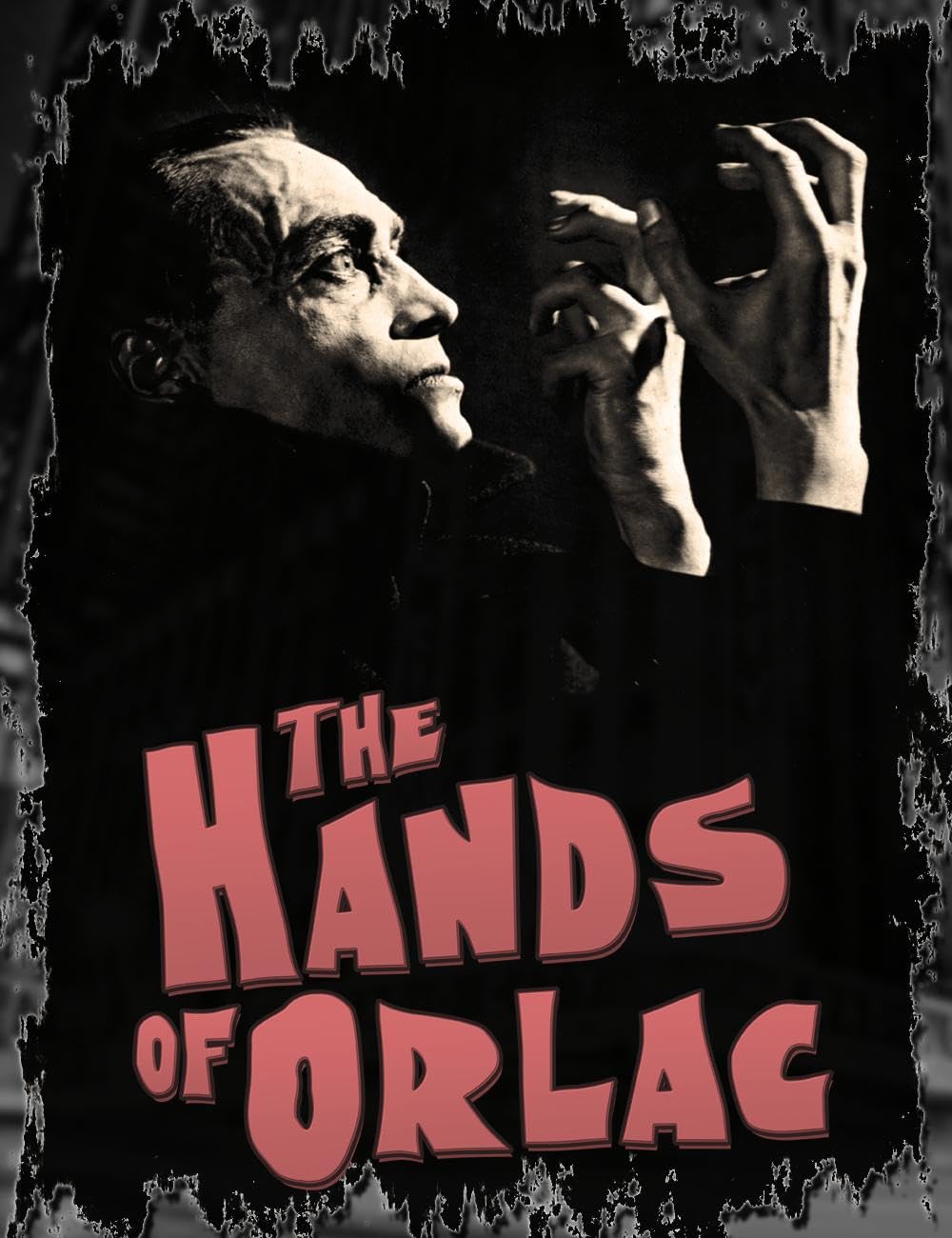
The Hands of Orlac
A a famous concert pianist, who is severely injured in a train wreck that fractures his skull and mutilates his hands. The supervising surgeon, however, decides to amputate Orlac's ruined hands and replace them with the hands of a recently executed prisoner who was serving time for murder.
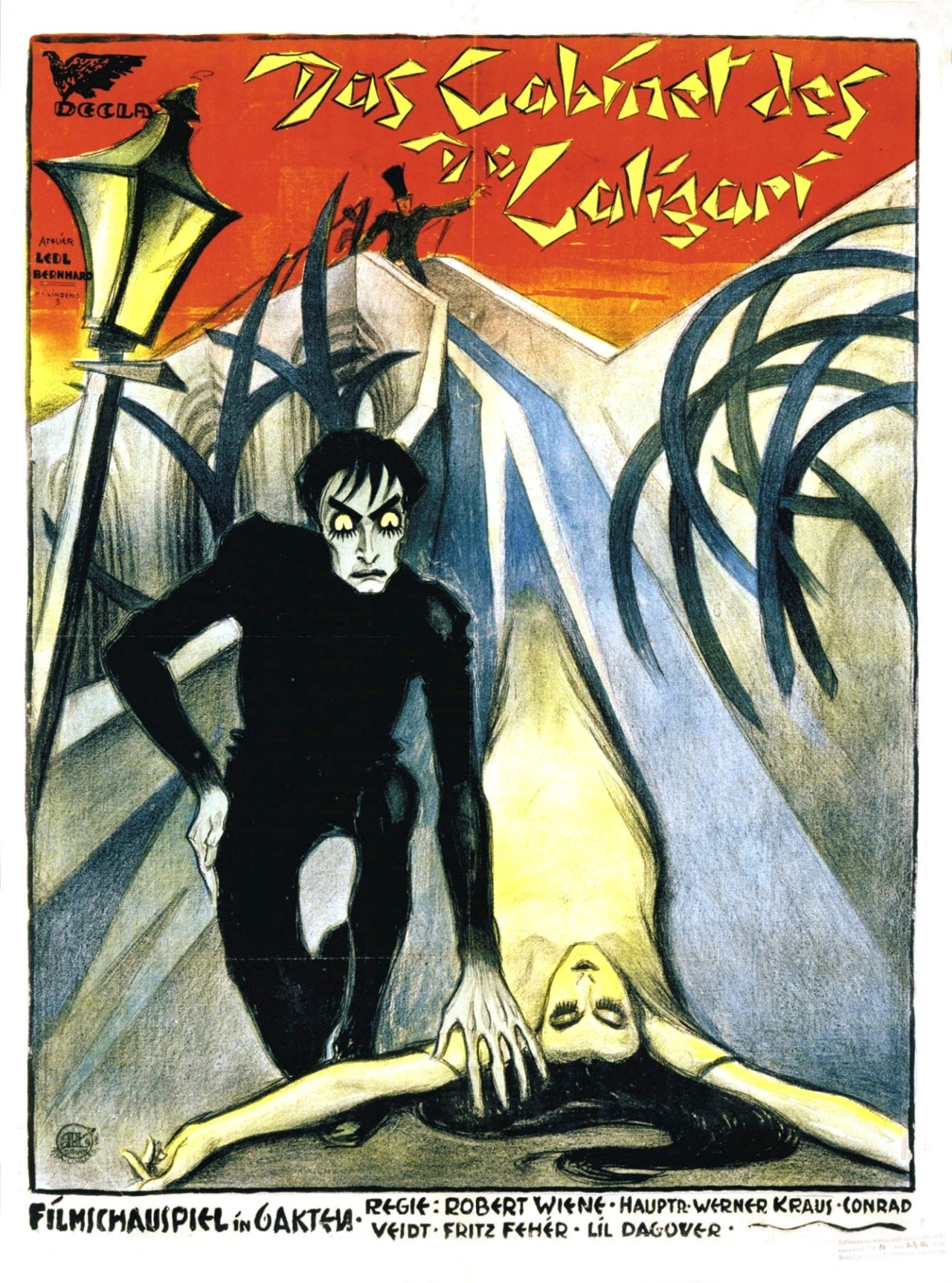
The Cabinet of Dr. Caligari on 16mm
Hypnotist Dr. Caligari uses a somnambulist, Cesare, to commit murders. Presented on 16mm by The Nyback Archive!
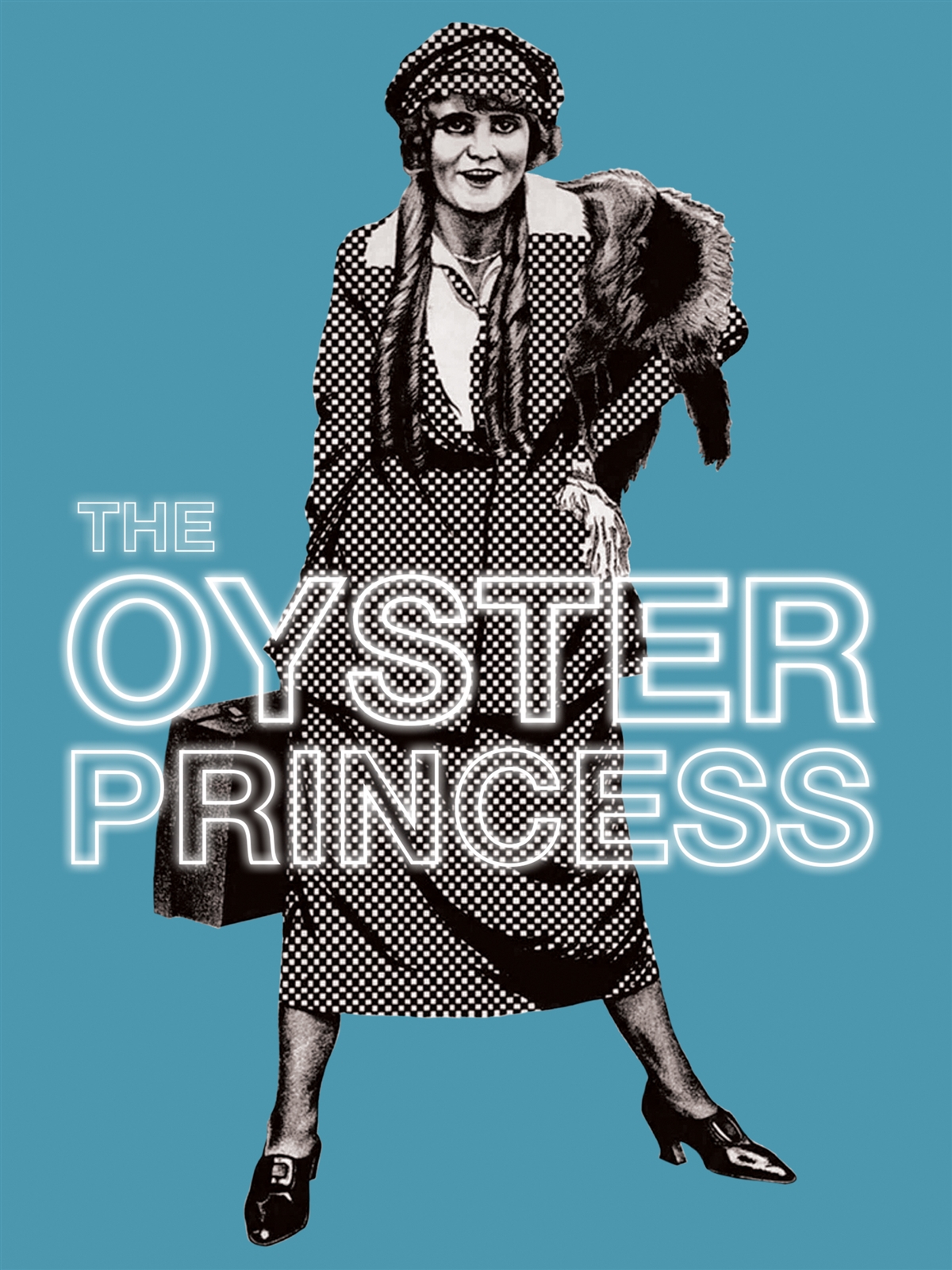
The Oyster Princess
An oyster tycoon decides to find a prince to marry his daughter, but things don’t go quite as planned.

Mädchen in Uniform
As a new student at an all-girls boarding school, Manuela falls in love with the compassionate teacher Fräulein von Bernburg, and her feelings are requited.
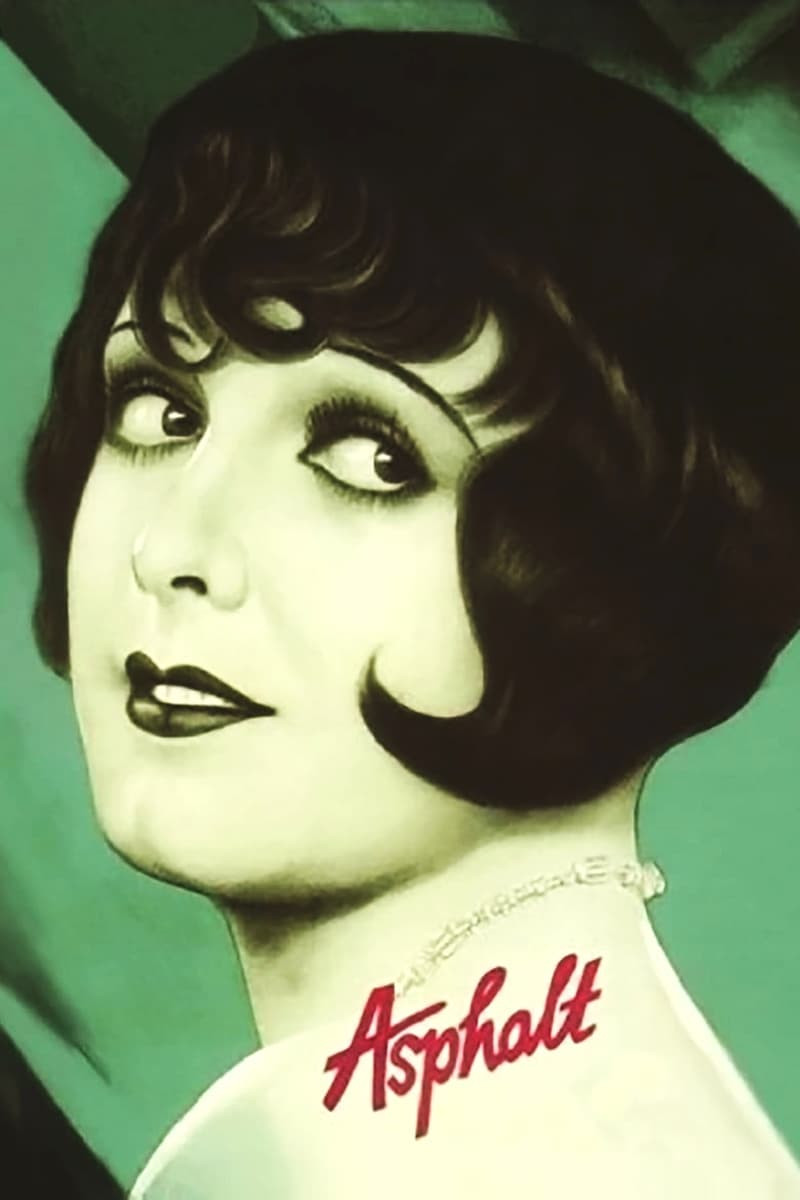
Asphalt
Joe May's sensual drama of life in the Berlin underworld is in many ways the perfect summation of German filmmaking in the silent era: a dazzling visual style, a psychological approach to its characters, and the ability to take a simple and essentially melodramatic story and turn it into something more complex and inherently cinematic.
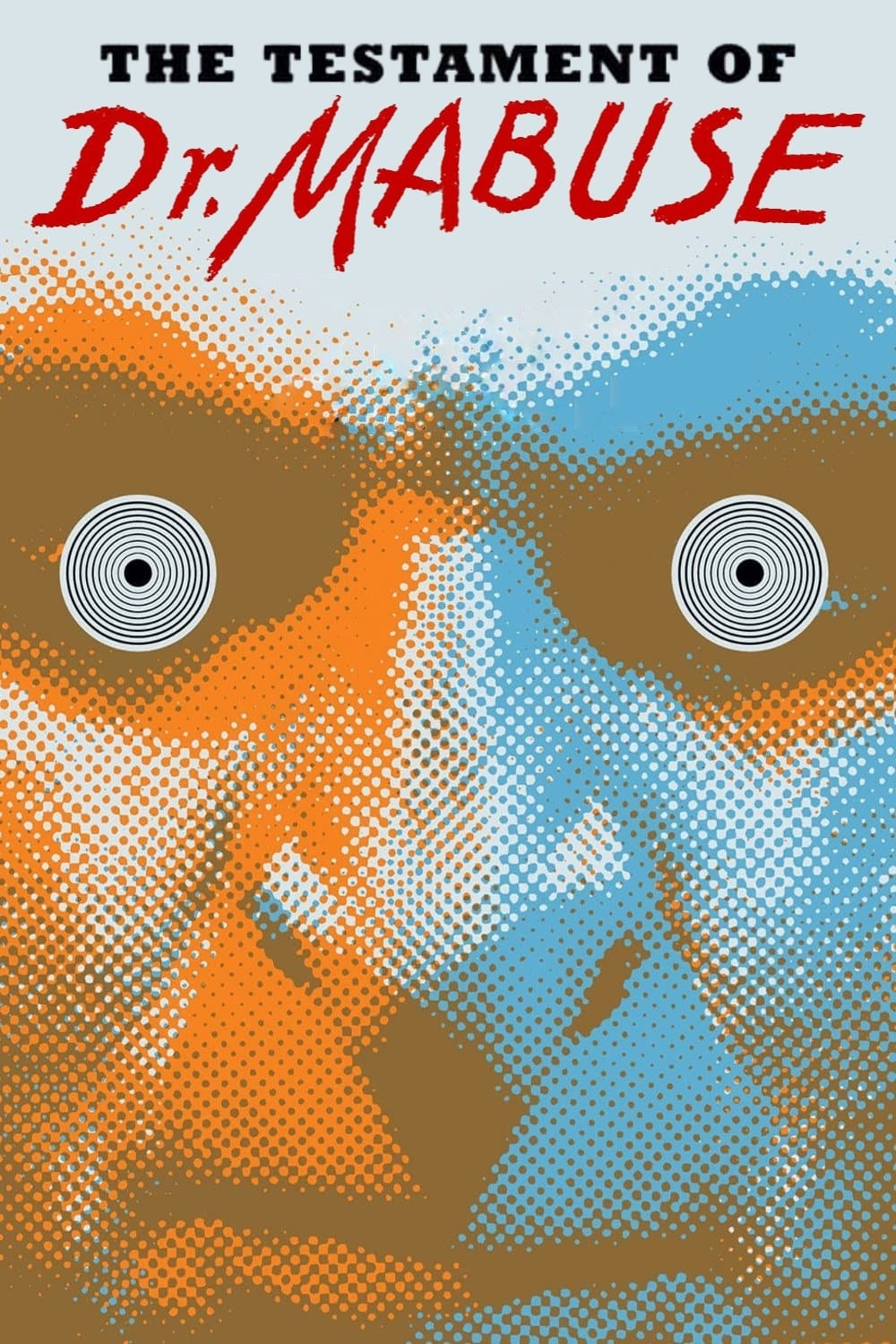
The Testament of Dr. Mabuse
A criminal mastermind uses hypnosis to rule the rackets after death.
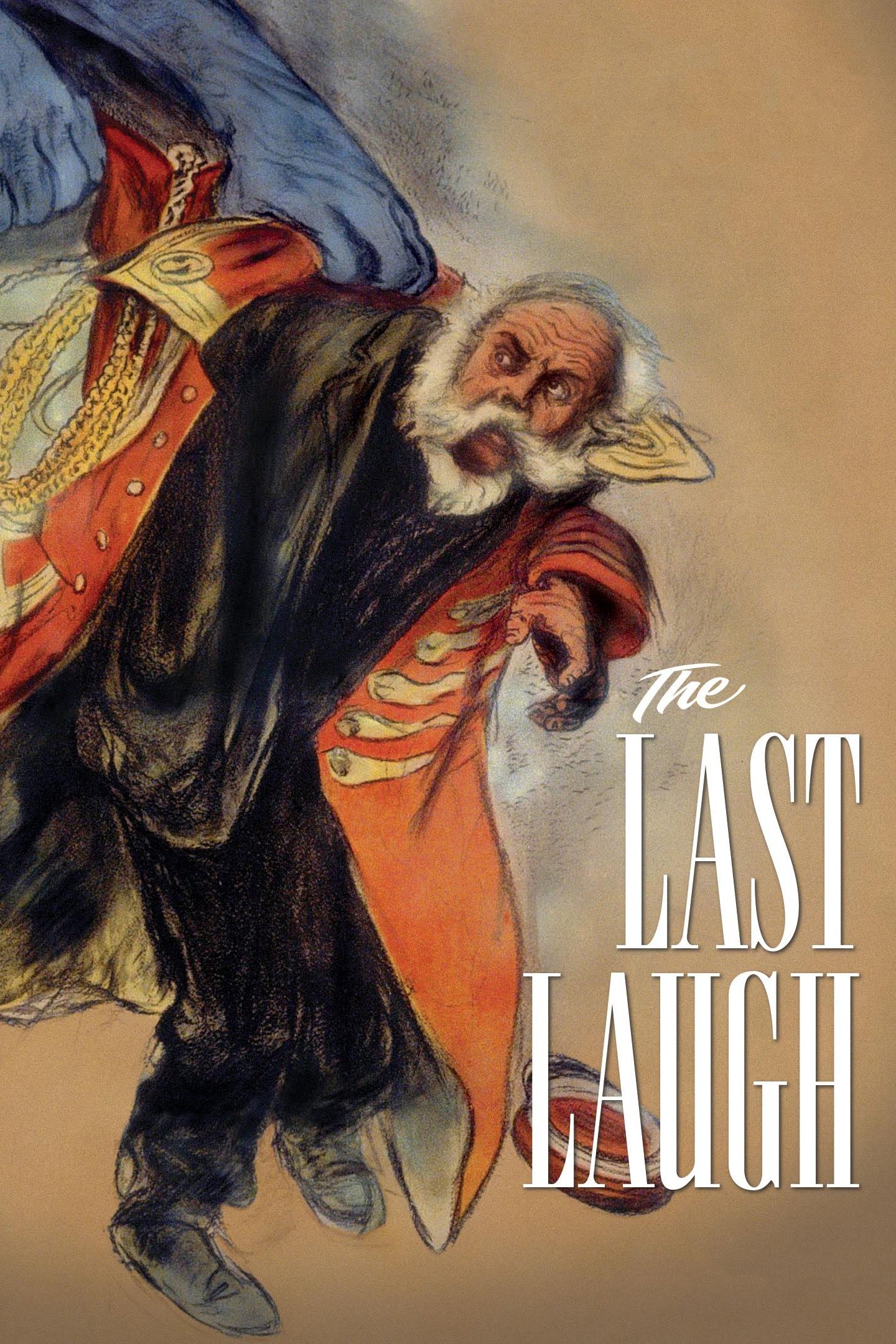
The Last Laugh
An aging doorman is forced to face the scorn of his friends, neighbors and society after being fired from his prestigious job at a luxurious hotel.